Oxidation, Stability and Shelf Life in Tallow Skincare
The difference between a balm that smells clean at month twelve and one that does not is decided long before filling.
What oxidation actually is
Fats react with oxygen. Heat, light and certain metal contacts accelerate the reaction, and its first symptoms are sensory: the odor drifts from clean toward crayon and cardboard notes, and color can shift. By the time a customer notices, the process has been running for months, which is why prevention lives in manufacturing, not in the jar.
Where the risk enters
- Raw material quality; tallow that arrives with a poor oxidation state can never be rescued, only masked.
- Heat history; every hot hour in rendering, holding and production spends shelf life.
- Exposure during processing; air, light and time in open vessels.
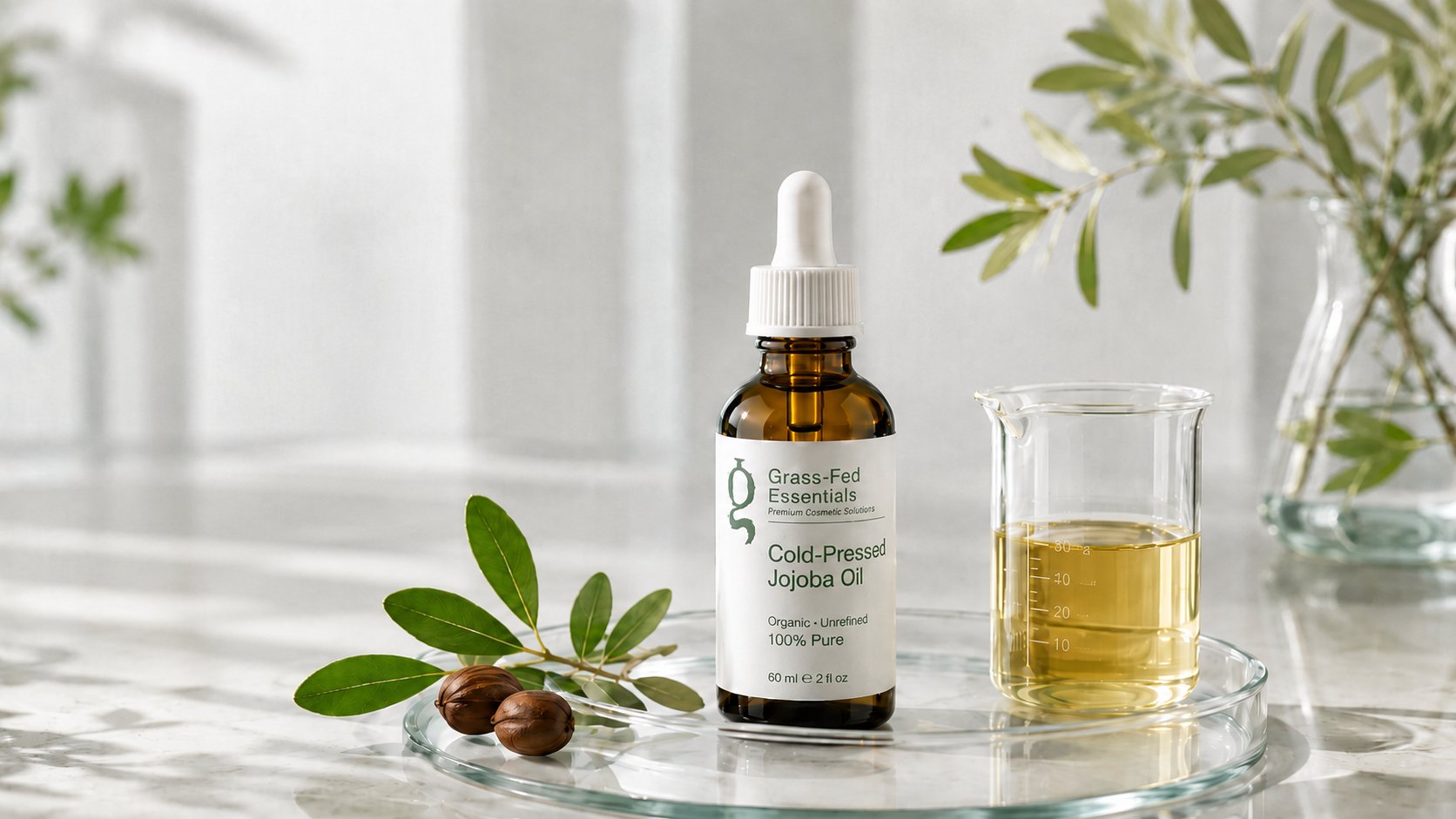
- Packaging; clear packs and generous headspace invite the reaction.
- Storage and transit; hot warehouses and sunlit shelves finish what sloppy processing starts.
How manufacturing protects the product
The discipline is unglamorous: specify and check the incoming material, use the minimum necessary heat for the minimum necessary time, keep transfer and filling clean and prompt, and; where the formula suits it; include appropriate antioxidant support. These controls are core stages of the GFE Tallow Standard.
Packaging and storage do real work
Opaque or amber packs, well-sealed closures and sensible fill levels measurably slow oxidation, and storage guidance for warehouses and retailers protects the product after it leaves the line. Packaging choice and stability are linked decisions; our packaging guide covers the formats.
How shelf life is actually assessed
Shelf life is assessed by observing the specific formula in its specific packaging over time and under defined conditions; supported by relevant markers on the raw material, such as peroxide value, where agreed. A shelf-life number quoted before formula and packaging exist is a guess. For how this is documented, see quality and documentation.
Building a tallow product or evaluating a manufacturing partner?
Bring us the product category, formula status, packaging, volume, destination market and intended claims. We will help identify the development, manufacturing and documentation route required.